Entry · Ref _WDLNLVD
Finding the Right Fit for St Louis Assisted Living and Memory Care
- Posted
- 2026-10-07
- Last amended
- 2026-10-07
- Account
- @0d7h3xby27
Understanding the Options for St Louis Assisted Living
When a parent or spouse starts needing help with daily tasks, the search for the right place can feel overwhelming. I have walked through this process with several families over the years, and the biggest lesson is that no two care homes are alike. The St Louis metro area offers a wide range of choices, from large retirement communities to small, cottage-style houses. The key is matching the setting to the person's personality, medical needs, and preferences.
Many people start by looking at big facilities because they are well-known. But what I have seen time and again is that smaller homes often provide a more comfortable, family-focused care experience. That is especially true for someone who values quiet, routine, and personal attention. In the St Louis assisted living landscape, the cottage-style model has grown in popularity for exactly those reasons. It feels less like an institution and more like a home.
What Cottage-Style Care Looks Like in Practice
Cottage-style care means a residential house converted into a licensed care home, usually for six to twelve residents. The staff-to-resident ratio tends to be higher, which allows for more personalized care. I remember visiting a small home in Kirkwood where the cook knew every resident's favorite breakfast. That kind of detail matters. It is the difference between being fed and being cared for.
In these settings, daily life revolves around shared spaces like the kitchen and living room. Residents can sit together for meals, watch television, or just nap in a recliner without feeling isolated. For families, the peace of mind comes from knowing that mom or dad is not lost in a crowd. This model works especially well for those who need memory care or Alzheimer's care, because a familiar, calm environment can reduce anxiety and confusion.
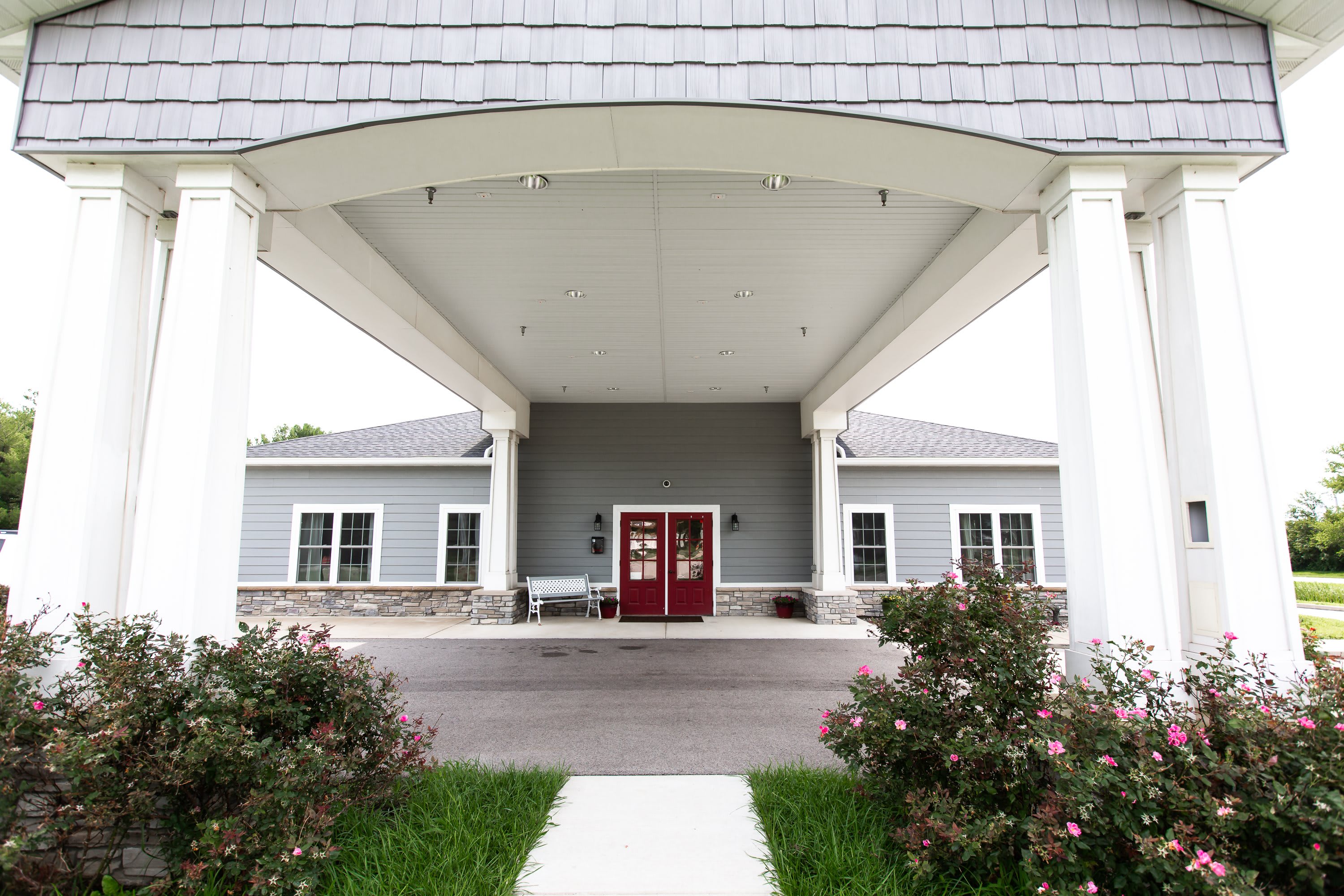
Memory Care and Dementia Care in a Smaller Setting
Memory care is a specialized form of assisted living designed for people with dementia or Alzheimer's disease. In larger facilities, memory care units are often a locked wing with its own staff. But in a cottage-style home, the entire house is the memory care unit. Staff are trained in dementia care techniques, and they learn each resident's life story to communicate more effectively.
One thing I have noticed is that families often underestimate how important caregiver support is during this transition. The emotional toll of placing a loved one in memory care can be heavy. A good care home will include the family in care planning and offer regular updates. That transparency builds trust. In the St Louis assisted living community, some homes go further by inviting family members to join activities or share meals. That openness makes a real difference.
Key Factors to Evaluate When Comparing Homes
When you start visiting homes, it helps to have a checklist. Here are a few things I recommend looking for:
- Staff turnover: Ask how long the current caregivers have worked there. Low turnover usually means good management and happy staff.
- State inspection reports: The Missouri Department of Health posts inspection results online. Look for violations related to medication errors or resident safety.
- Meals and menus: Ask to see a weekly menu and sit in during a meal. Is the food appealing? Are residents given choices?
- Activities schedule: A good home offers a mix of social, physical, and cognitive activities tailored to residents' abilities.
- Emergency preparedness: Ask about evacuation plans and how staff handle medical emergencies or natural disasters.
These questions might seem basic, but they reveal a lot about a home's commitment to quality. For example, a home that has JCAHO accreditation has gone through a rigorous third-party review. That is a strong signal of consistent, high-quality care.
The Role of Transparency in Senior Living Choices
Transparency is a word that gets thrown around a lot, but in elderly care it has real meaning. It means the home shares its pricing upfront, without hidden fees. It means the administrator answers your calls personally. It means you can drop by unannounced and see how things really run. I have seen homes that welcome unscheduled visits and homes that discourage them. The former are usually the ones with nothing to hide.
In the St Louis metro area, directories like Joes Place Caring Cottage have started to emphasize transparency by listing detailed information about each home's size, services, and pricing. That helps families compare options without wasting time on places that are not a fit. For someone looking at St Louis assisted living, having that kind of resource can cut weeks off the search.

Blending Independent Living with Needed Support
Not everyone who moves into assisted living needs round-the-clock care. Some people just need help with a few daily tasks, like medication reminders or transportation to appointments. Others may eventually need full memory care. A good care home offers a range of services that can increase as needs change. That is called a continuum of care, and it is a huge advantage for families who want to avoid moving their loved one multiple times.
Some homes also offer respite care, which is short-term stays for people recovering from surgery or giving their regular caregiver a break. That can be a good way to test a home before committing. It also gives families time to plan for the future without rushing a decision.
Practical Advice for Starting Your Search
If you are just beginning to look into senior housing, I suggest starting with a list of homes that fit your budget and location preferences. Then narrow it down based on the type of care needed. For example, a home that specializes in dementia care will have staff trained in de-escalation techniques and structured routines. A general assisted living home may not offer that level of specialization.
Here are a few steps to get started:
- Identify the level of care needed now and likely in the next two years.
- Check the Missouri Department of Health website for licensed homes and their inspection records.
- Call three to five homes and ask about availability, pricing, and staff training.
- Schedule visits during weekdays and weekends to see different shift dynamics.
- Talk to current residents or their families if possible.
This process may feel slow, but it is worth the effort. Rushing into a decision often leads to a second move within a year, which is stressful for everyone.
Why Small-Scale Care Often Wins
Small-scale care has a different feel. In a home with eight residents, the staff knows when someone is having a bad day. They notice if a resident skips breakfast or seems withdrawn. That kind of attention is hard to achieve in a facility with eighty residents. It is not that large facilities are bad. Some do excellent work. But for many families, the cottage-style model provides a warmth that is hard to replicate.
I have also seen that small homes tend to have more flexibility. If a resident wants to sleep in, they can. If they want to help set the table, they are invited. That sense of purpose is powerful for older adults. It combats loneliness and depression, which are common in elderly care settings. When a person feels like they still contribute, their overall health often improves.
Final Thoughts on Finding the Right Home
Choosing a care home is a deeply personal decision. There is no single best option for everyone. But by focusing on transparency, personalized care, and the right size for your loved one's needs, you can find a place that feels like home. The St Louis assisted living market has many good choices, and resources like Joes Place Caring Cottage can help you navigate them with confidence. Take your time, ask hard questions, and trust your instincts. Your loved one deserves a place where they are seen, heard, and cared for.